OEM+ ECU & Transmission Calibrations: Speed with Grace
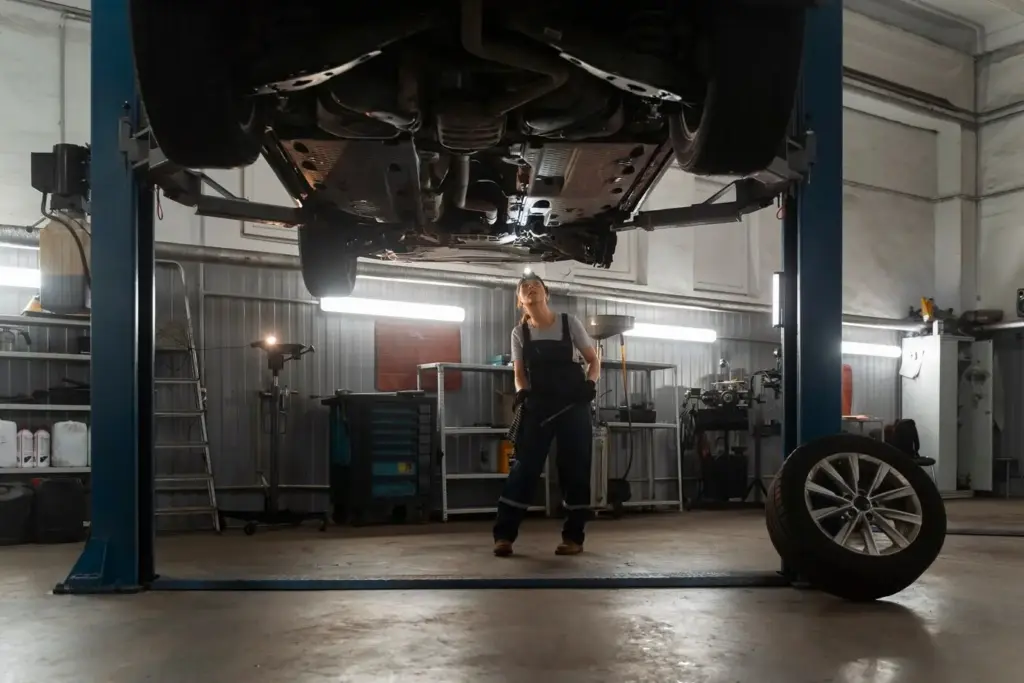
The OEM+ Philosophy: Quick, Quiet, and Dependable
Prioritizing the Tables That Actually Move the Car
It is tempting to chase headline numbers, yet drivability lives in the torque structure, airflow models, throttle mapping, and timing strategies. When these are coherent, the car responds predictably through every gear, in varied weather, and across fuel qualities, delivering acceleration that feels intentional rather than noisy, peaky, or brittle.
Torque As the Common Language Between Modules
Modern powertrains coordinate through predicted and measured torque. By respecting that language inside the ECU and transmission, we align requested, estimated, and delivered torque. This avoids shift flare, clutch slip, or unexpected tip-in surges, ensuring both modules agree about what the engine can do, right now, under changing conditions.
Refinement Treated As an Engineering Requirement
We treat smoothness not as a luxury, but as a design constraint. Calibrations are balanced for transient response and thermal control, keeping shifts decisive yet calm. The cabin remains composed during aggressive pulls, and daily driving stays effortless. This engineering priority preserves confidence, reducing fatigue while quietly increasing the car’s capability.
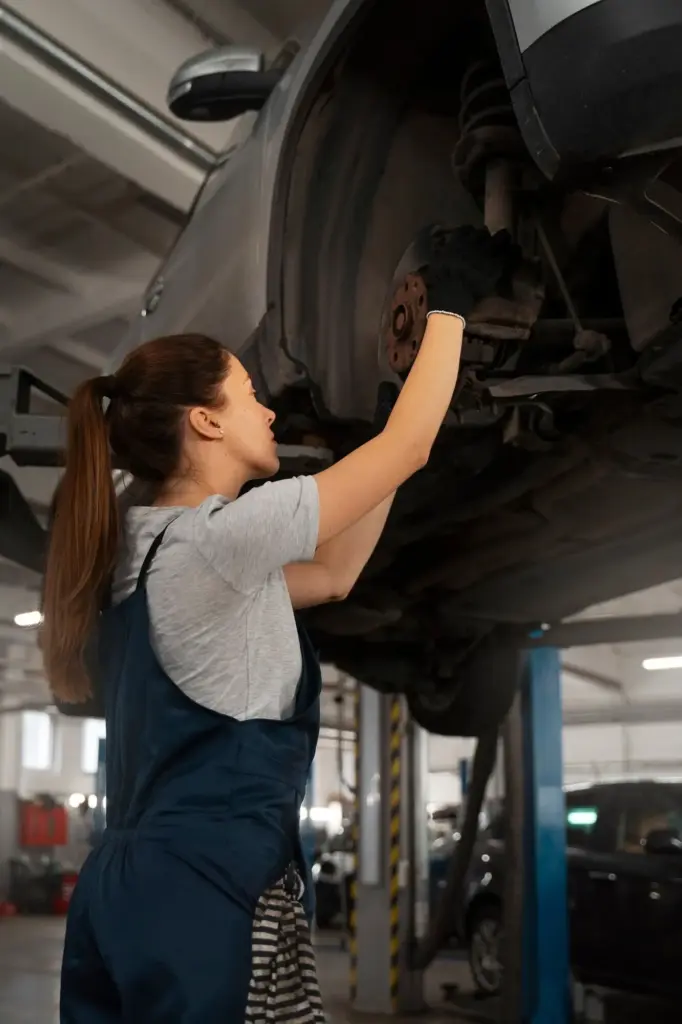

ECU Strategy: Precision Where Power Begins


Transmission Logic: Shifts That Anticipate You
Validation: Data, Dyno, and Real Roads
Logging That Tells the Whole Story
Meaningful logs capture commanded and measured torque, lambda, ignition angles, knock activity, charge temps, and gear events. When all signals agree, confidence follows. These traces guide revisions, revealing where the car thrives and where it needs nuance, turning every refinement into visible, data-backed progress you can reproduce and trust.
Dyno Baselines and Controlled Comparisons
We establish baselines under consistent conditions, then compare calibrated runs while holding variables steady. Power curves should smooth, area under the curve should grow, and heat management should remain sensible. This discipline prevents cherry-picking while translating chart improvements into on-road benefits you can feel during climbs, merges, and long passes.

Maximizing Stock Hardware Without Stress
Intakes, Downpipes, and Intercoolers Thoughtfully Integrated
Fuel Quality, Octane, and Ethanol Considerations
Daily Civility Meets Weekend Excitement
Ownership, Updates, and Community Feedback
{{SECTION_SUBTITLE}}
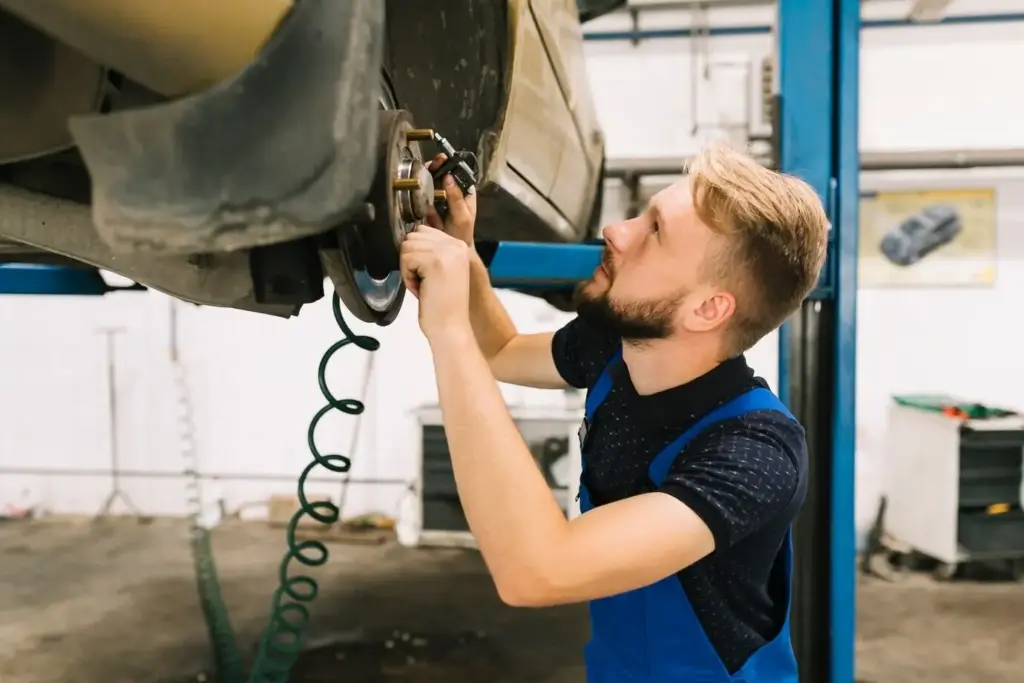
Evidence-Driven Revisions You Can Understand
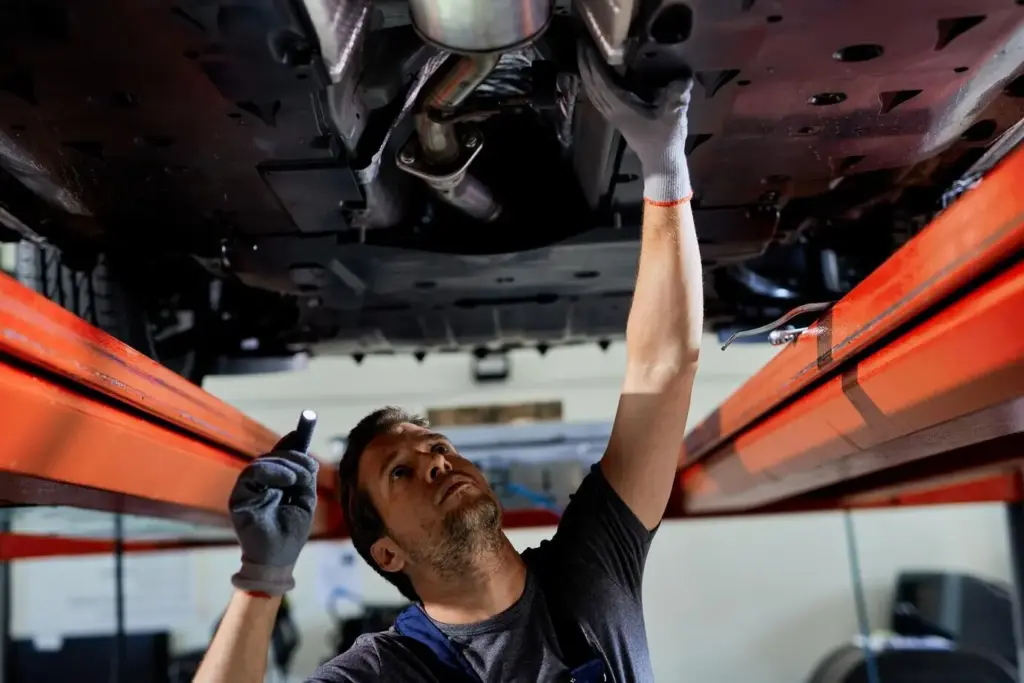
Support That Teaches the Why Behind Each Map
All Rights Reserved.